OGO!
Lecture by Anita Norich: “Modern Yiddish Literature”
Tuesday (in 4 days)
November 17 at 8:00 PM
Summary
A lecture by Anita Norich on modern Yiddish literature, its major writers, movements, and cultural contexts. Part of YIVO's Yiddish Civilization 101 series.
Description
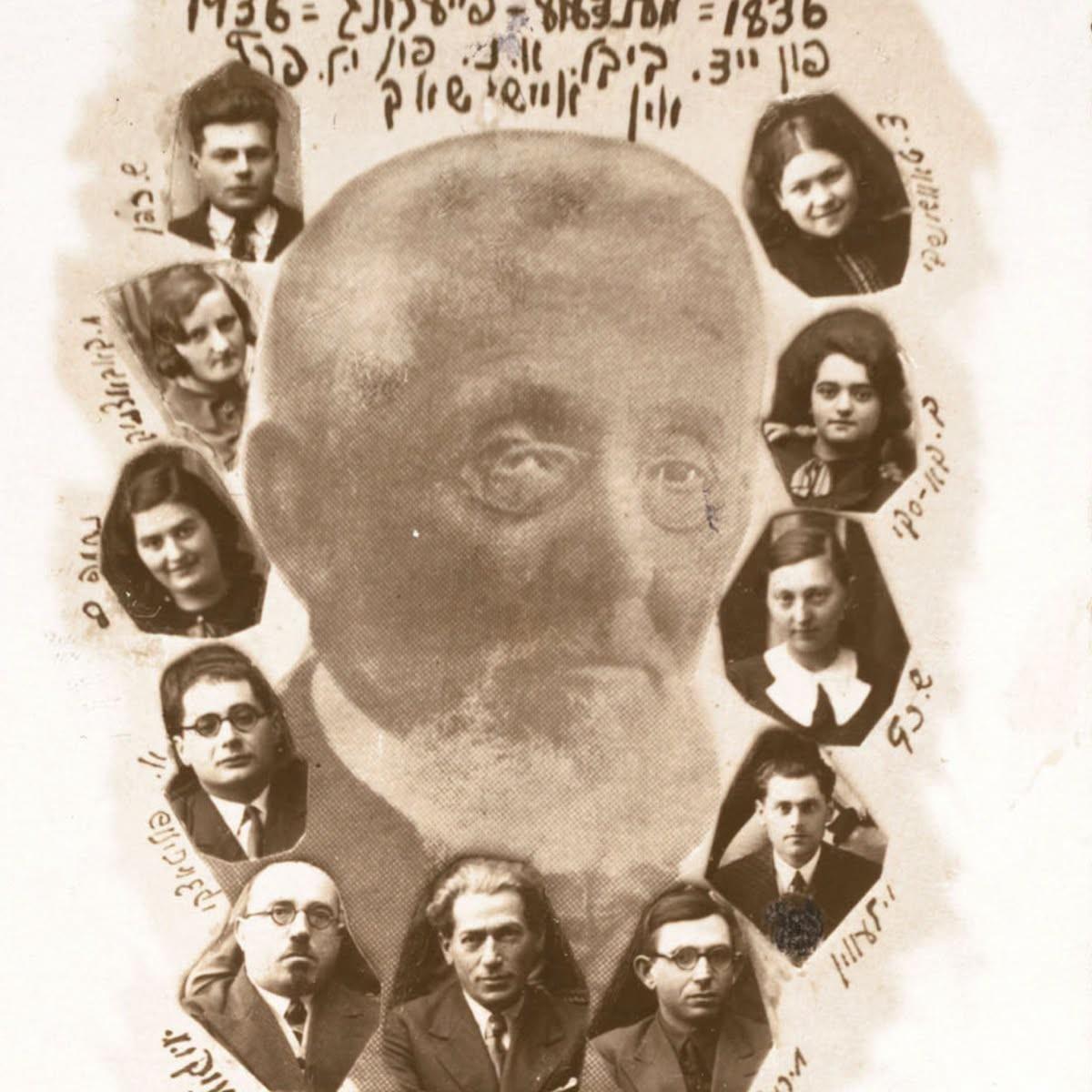
When does modern Yiddish literature begin? What does "modern" even mean? Which works belong to the Yiddish literary canon—and why were women so often left out? Why are the works of Mendele Moykher-Sforim, Sholem Aleichem, and Y.L. Peretz revered as the "classics" of Yiddish literature? Why was the Yiddish literary world so famously divided into competing literary, political, and ideological movements? How has the multilingualism of virtually every Yiddish writer—and reader—shaped the literature they created? And what role has translation played in the creation, dissemination, and reception of Yiddish literature?
Readers and writers have debated these issues ever since the Haskole, the Jewish Enlightenment. This talk by Anita Norich will trace the development of Yiddish literature from the early nineteenth century onward, examining its major writers, movements, and cultural contexts.
In celebration of YIVO's 101st year, join us for our Yiddish Civilization 101 series. Each program will highlight key topics in Ashkenazi history and culture, including shtetl life, film, and Ashkenazi foodways, amongst others. Guided by expert scholars, each lecture will provide a greater understanding of Jewish life in Eastern Europe and its diasporas.
Add to calendar
Share this event:
Similar events
Loading similar events...