OGO!
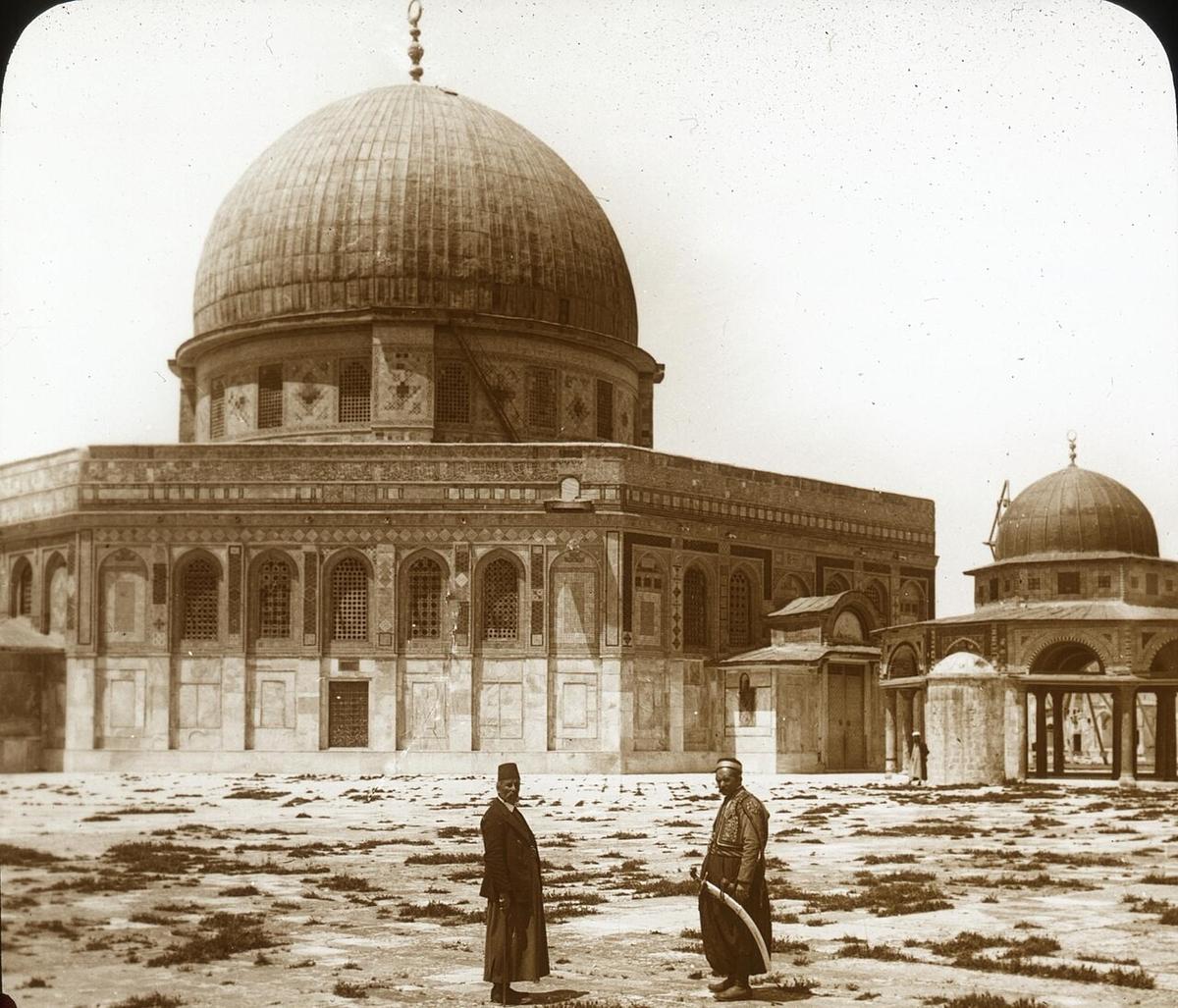
Lecture: In the Crescent’s Shadow: Jerusalem as a Multicultural City in the Early Muslim Period
Thursday (in 44 days)
January 7, 2027, 6:00 – 7:00 PM · 1h
Cost
48 ₪
Summary
A lecture on Jerusalem as a multicultural city during the early Muslim period, under the rule of the Umayyad and Abbasid caliphates. The event takes place online via Zoom.
Descriptiontranslated from Hebrew (original)
The Arab conquest of Jerusalem in 638 marked one of the most significant political, cultural, and religious transitions in the city’s history, as it changed from a Christian city under Byzantine protection into a city under Muslim rule. Surprisingly, however, and contrary to the traditional historical picture, it turns out that it was דווקא under Islamic rule that Jerusalem acquired a distinctly multicultural character, which continued to develop over approximately 400 years. The archaeological discoveries of the last generation reveal a fascinating picture of gradual cultural transformation, the preservation of the city’s Christian character, and the renewal of Jewish settlement there—all under the rule of the Islamic caliphate and the Umayyad and Abbasid dynasties.
What the hall looks like
Add to calendar
Share this event:
Similar events
Loading similar events...