Hadas Set: Joy in Repetition
Coming up instead
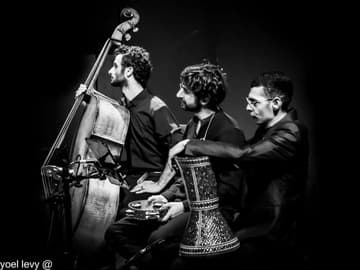
A performance by Hadas Set titled “Joy in Repetition.”
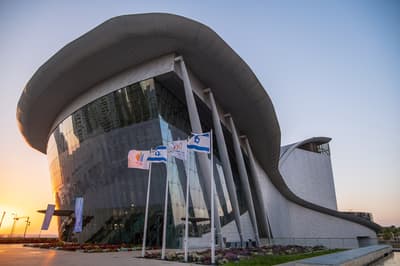
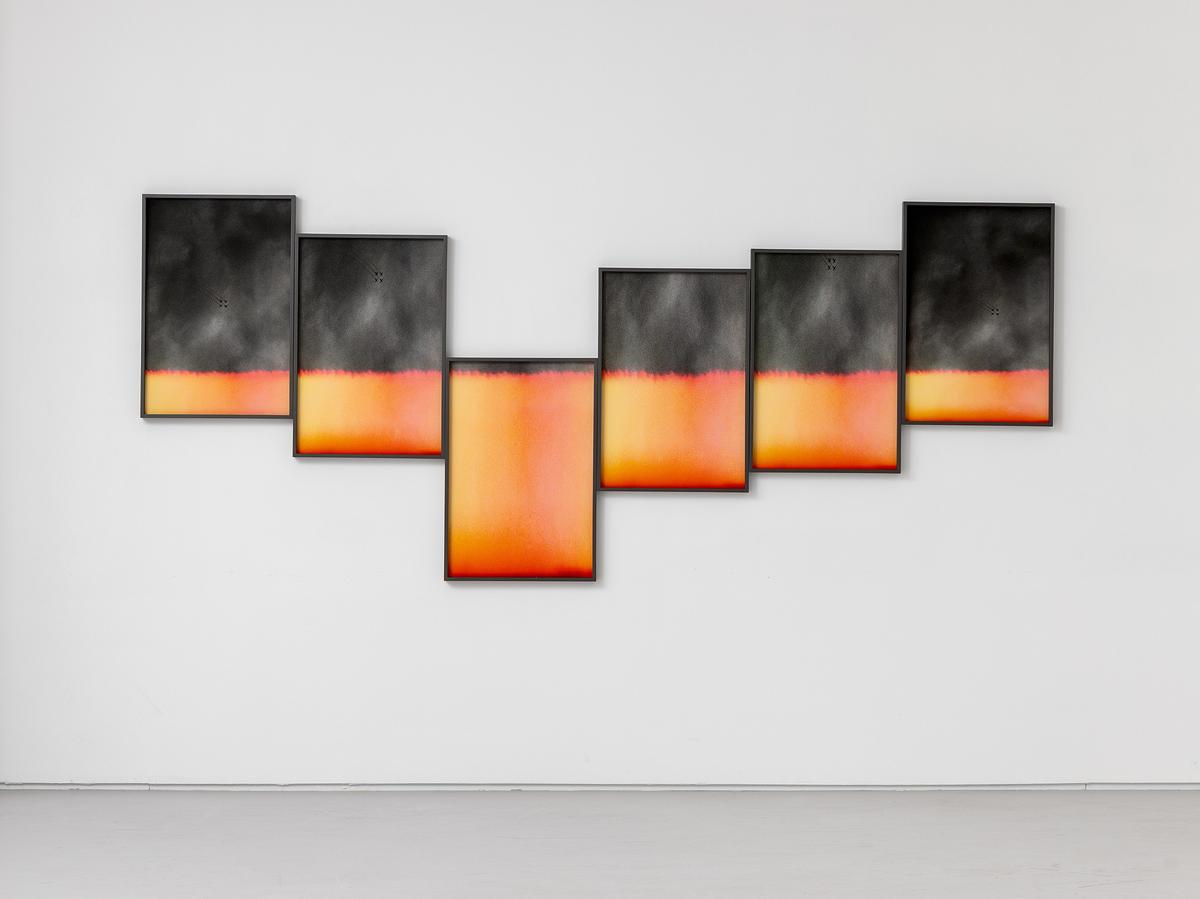
The exhibition “Joy in Repetition” at the Ashdod Museum of Art is Hadas Set’s first solo museum exhibition. Set has been active in the Israeli art scene for the past two decades. She has transformed the museum’s circular entrance floor into a kind of domestic space that brings together, under one roof, times, figures, and places; periods and styles. In a flexible, light, and natural movement—almost imperceptibly—Set moves between the worlds of myth, dream, and fiction above and the worlds of everyday life, home, and family below. She mends fragments, builds bridges, creates universes, and enables an alternative, circular, renewed way of looking at things, far from accepted categories and perspectives.
Hadas Set’s photographic language is concentrated, dense, and rich, and is generally characterized by a certain flatness. Her photographic practice involves long-term processes: she “collects” images created through analog photography—usually images she photographs with a 35mm camera, and sometimes images appropriated from her childhood family album. She incorporates ideas and historical or literary sources that cast a spell over her, and from them the structures of the works are born.
From the initial “image archive,” she selects an index of images, which she scans, processes, and dismantles, then digitally pairs and welds together—an instance of multidimensional photographic assemblage. In her words: “The photographs that address the sensual qualities of photographic material seek a painterly quality and aspire to a sculptural logic.”
Set’s works contain a sense of an awesome, compressed force threatening to burst through a delicate tissue. They hold the potential for accident and destruction, but also a powerful potential for desire, life, and growth. Her work exists within this eternal space between the bursting force of the life instinct and the awesome, magnetic power of death, without opposition or contradiction between the two. The possibility of a beginning is always also the possibility of an end.
The exhibition is presented as part of the museum’s new exhibition cluster, which will open to the public on 17 September 2026. Alongside the exhibition, the following exhibitions will also be presented: Five Video Works from the Museum Collection, “When I’m Not Painting, I Go Digging,” by the artist Amit Kabesa.