OGO!
Film screening: The Classical Corner: A World Fading Away, Another Cinema Being Revealed
Thursday (today)
November 19, 8:00 – 8:59 PM · 59m
Jerusalem Cinematheque
גן וולפסון, Derech Hevron 11, Jerusalem
Weather · Jerusalem
Summary
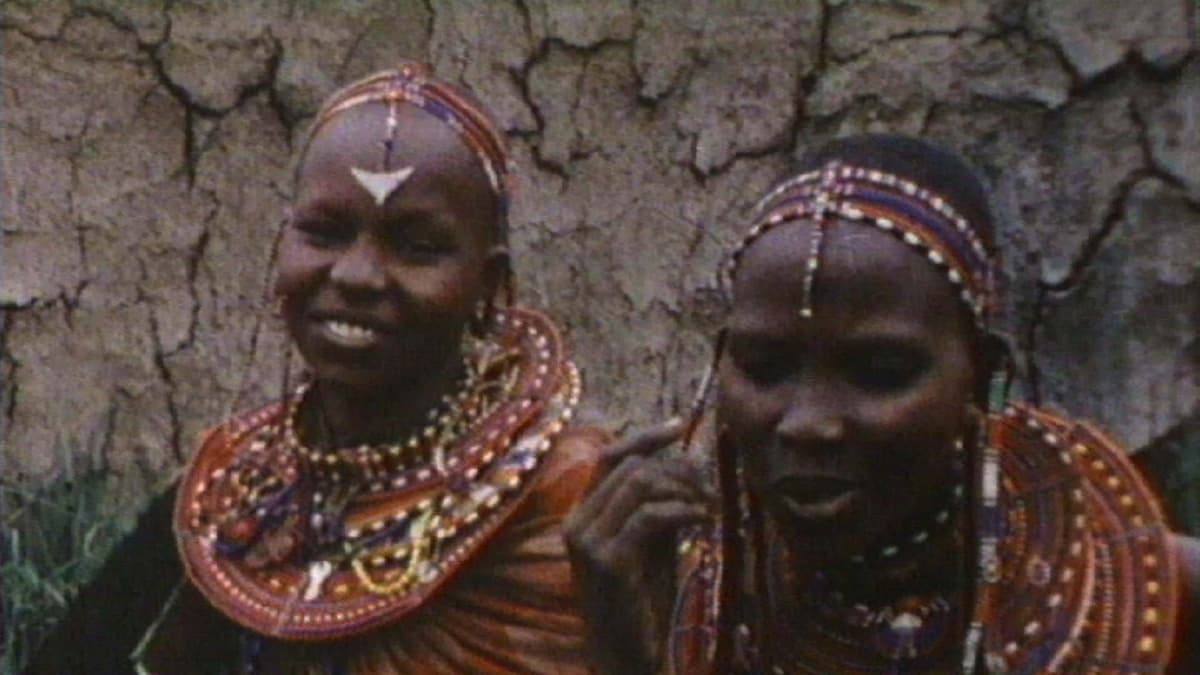
Screening of the film “The Maasai Women” (1980), with introductory remarks and a discussion about ethnographic cinema. November 19, 2026, at the Jerusalem Cinematheque.
Descriptiontranslated from Hebrew (original)
Opening remarks by Professor Dan Geva, followed by a conversation between Professor Geva and Professor Tamar Elor after the screening
In 1970, the English production company Granada launched a series that, for the first time in the history of British television, brought anthropology into our homes. Over its twenty-year run, the series Disappearing World presented forty-nine feature-length films about cultures whose ways of life—as they were—were perceived by the series’ creators and producers to be in danger of extinction, whether physical or cultural.
Among its other unique qualities, the series insisted that the films be made through full collaboration between filmmakers and anthropologists. Yet even within this distinctive body of research and filmmaking, the film Maasai Women (1980) is a unique case. The expert anthropologist Melissa Llewelyn-Davis, who made approximately nine films about the Maasai, wears both hats in her work—that of researcher and director—and presents us with the first ethnographic film devoted exclusively to women. In the conversation following the screening, we will try to identify and decipher Davis’s methodological, thematic, and stylistic innovations, paying particular attention to her unique approach to the complex relationships that develop in her work between the woman behind the camera and the women being filmed.
Maasai Women — Britain, 1980 | 59 minutes | Maasai, English | Hebrew subtitles
From childhood to old age, Maasai Women enters the world of women in a cattle-herding community in Kenya and observes life from their perspective. Through marriage and motherhood, work, family life, and the relationships formed between women married to the same man, the central place of women in a society largely dominated by men is revealed. The anthropologist and director Melissa Llewelyn-Davis places their voices and experiences at the center, allowing them to tell their stories in their own voices—about the relationships, obligations, and choices that shape their world.
Add to calendar
Share this event:
Similar events
Loading similar events...