OGO!
Film screening: Kanal
Tuesday (in 7 days)
December 1, 6:00 – 7:31 PM · 1h 31m
Jerusalem Cinematheque
גן וולפסון, Derech Hevron 11, Jerusalem
Weather · Jerusalem
Summary
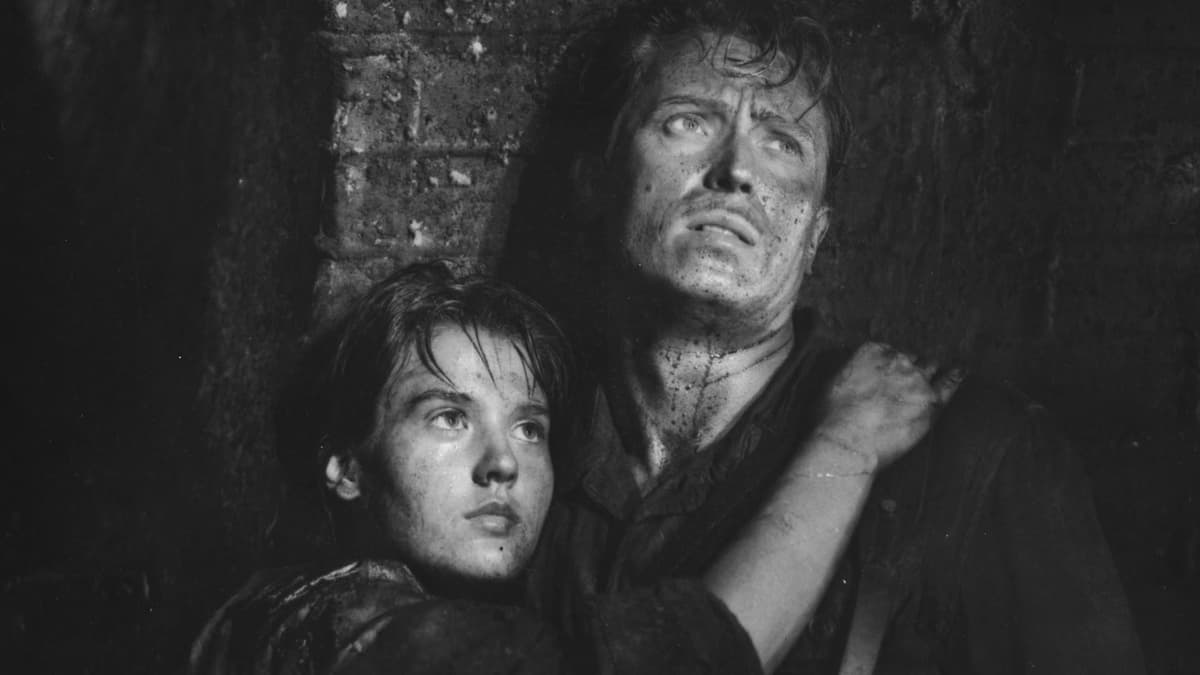
Polish war film from 1957, directed by Andrzej Wajda, about insurgents retreating through the sewers. December 1, 2026, Jerusalem Cinematheque.
Descriptiontranslated from Hebrew (original)
Poland, 1957 | 91 minutes | Polish | Hebrew subtitles
The second chapter in the war trilogy takes place on the 56th day of the Warsaw Uprising—not the Jewish uprising in the ghetto, which took place in spring 1943, but the uprising launched by the Polish underground resistance in summer 1944, following which the Germans decided to systematically destroy the entire city. The plot follows a group of rebels forced to retreat from the battlefield through the city’s sewers. Wajda shapes his film without sentimentality. The opening narration immediately announces that the people before us—whose faces we pass in a single, long, brilliant shot—are destined to meet their deaths. From this point on, watching the film becomes imbued with irony, through which Wajda succeeds in revisiting the events of the war, detaching them from their heroic status and giving them new faces. Thus he looks at his heroes: not “war heroes,” but flesh-and-blood people who acted as they did for many reasons, not all of them entirely ideological. As in all his films, Wajda’s command of cinematic means here is nothing short of perfect, and the result won a Special Jury Prize at the 1957 Cannes Film Festival.
Add to calendar
Share this event:
Similar events
Loading similar events...