OGO!
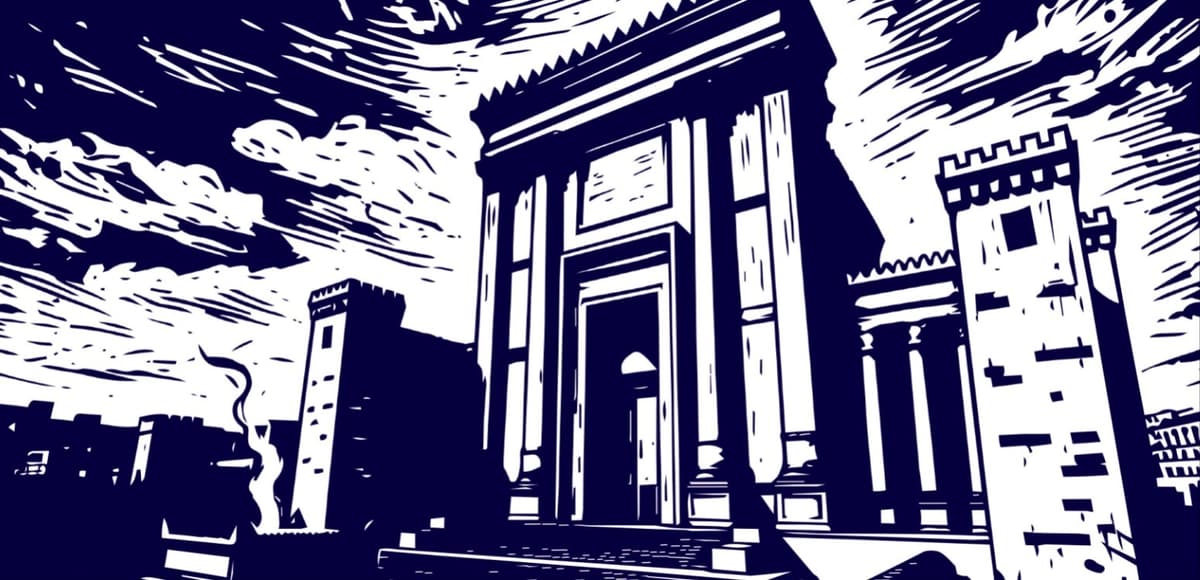
Lecture by Tova Ganzel: “The Second Temple: Between Vision and Reality”
December 13 – 17
Starts December 13 at 9:00 AM
Beit Avi Chai
King George St 44, Jerusalem
Summary
Lecture on the Second Temple, the Temple Vision, and the Temples at Yavneh and Mount Gerizim. December 13–17, 2026, Beit Avi Chai in Jerusalem.
Descriptiontranslated from Hebrew (original)
The Second Temple stood in Jerusalem for hundreds of years and was a center of worship, pilgrimage, and religious leadership. Nevertheless, throughout this period Jews continued to ask what the proper Temple should look like, who was permitted to serve in it and enter its precincts, and what was required for God’s presence to dwell there. Prophetic texts from the years of its establishment already expressed expectations for changes in its glory, purity, and status. During this period, additional temples also existed outside Jerusalem, and Second Temple literature developed descriptions of a Temple and sacred space that did not correspond to existing reality. Why did Jews continue to engage with the image of the proper Temple even while a Temple stood in Jerusalem? What do the temples at Yev and Mount Gerizim teach us about Jerusalem’s place? And how did the meaning of the Temple vision change after the destruction, when the building disappeared but the Temple continued to exist in text, memory, and halakhic discussion?
Prof. Tova Ganzel is a faculty member in the Multidisciplinary Department of Jewish Studies at Bar-Ilan University. She specializes in prophetic literature against the background of the ancient Near East, and her research focuses on the Book of Ezekiel in its Babylonian context and on temples in Second Temple literature. She also researches the reception of critical biblical scholarship from the eighteenth century onward, and the status of women in providing halakhic guidance.
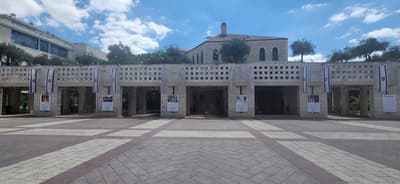
What the hall looks like
Photo credits
AdaK1936 · CC BY-SA 4.0, אבישי טייכר · CC BY 2.5
Add to calendar
Share this event:
Similar events
Loading similar events...