OGO!
Exhibition: A Moment of Birth: 120 Years of Bezalel
Hanukkah 2026: all events and dates →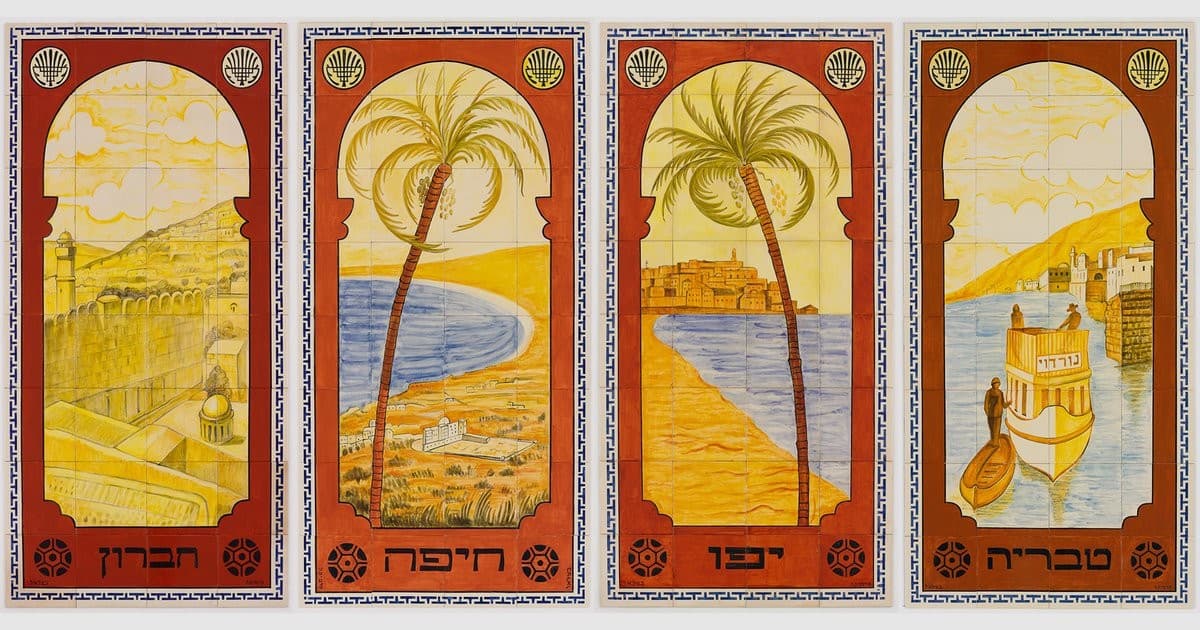
November 27, 2026 – July 24, 2027
Friday (in 3 days)
מוזיאון ת"א, Sderot Sha'ul HaMelech St 27, Tel Aviv-Jaffa
Weather · Tel Aviv
Summary
An exhibition presenting 500 works from the historic Bezalel at the Tel Aviv Museum of Art. The exhibition examines Bezalel’s artistic, cultural, and material activity in its early years.
Descriptiontranslated from Hebrew (original)
Tel Aviv, which became the center of modern Israeli art, was established only three years after the founding of Bezalel, yet to date not a single comprehensive exhibition devoted to historical Bezalel has been shown in the city. The Israel Museum in Jerusalem presented an exhibition on the subject more than forty years ago. Over the years, works from the period were displayed mainly in exhibitions of Jewish art, although Jewish ritual objects and Judaica accounted for only about 15 percent of all artistic production at Bezalel. The current exhibition therefore seeks to broaden the picture and reveal the richness and complexity of Bezalel’s work, with all its tensions and its visual, material, and conceptual worlds.
Historical Bezalel has often been described as the first chapter in the history of Israeli art, with knowledge and awareness of what followed. The exhibition seeks to suspend that knowledge for a moment and return to Bezalel’s early years, when the future was still unknown and the possibilities were open, in order to view the period in all its vitality—not retrospectively, but as a living reality.
At the center of the exhibition stands a huge table, at the familiar height of a household dining table or worktable. The objects are placed on it, generally without partitions, allowing a close view of the ways in which they were made and of their many details. Functional objects are displayed without hierarchy alongside works of art: tableware and Hanukkah menorahs beside drawings, paintings, and sculptures; Jewish ritual objects alongside secular items, including games and writing and smoking accessories. The display format makes it possible to imagine the artists and craftspeople who labored at their worktables about a century ago. On the four walls, like an opened curator’s box, Bezalel’s work unfolds from another perspective.
To convey the scope of Bezalel’s work, the exhibition presents 500 works. Most came from private collections, where they had been kept for years away from public view. Encountering them reveals the layers that nourished Bezalel’s work: the artists’ backgrounds and the knowledge they brought with them, as well as the cross-cultural encounter with local traditions.
During those years, Bezalel operated under the ideological umbrella of the Zionist enterprise, as a means of establishing national identification. Artistic creation and cultural activity played a central role in shaping identity: the works conveyed national and symbolic messages, alongside an aspiration—one that was not always realized—for personal expression and independent aesthetic values.
Today, as Israeli society grapples with fundamental questions concerning its cultural identity, the importance of engaging with this historical chapter becomes sharper. In it, forces of tradition and renewal, religion and secularism, worked together. This encounter invites visitors to look at Bezalel objects with fresh eyes and experience the old appearance as a moment of birth.
What the hall looks like
Photo credits
Israel Zafrir - ישראל צפריר · CC BY-SA 4.0, ליזי שאנן · CC BY 2.5
Add to calendar
Share this event:
Similar events
Loading similar events...