OGO!
A Scientific Morning – A Journey to Planet Earth and the Animal World
Hanukkah 2026: all events and dates →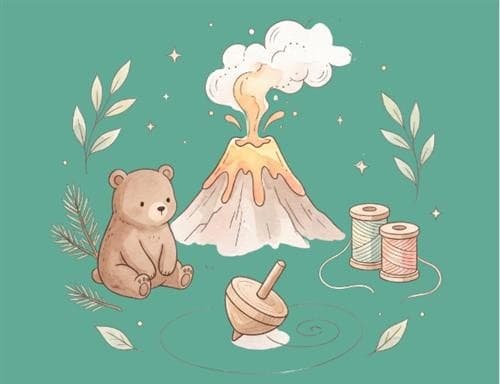
Monday (in 13 days)
December 7, 9:00 AM – 1:00 PM · 4h
ציהתל"י 3, תל אביב-יפו
Cost
60 ₪
Summary
Scientific workshops for children in grades 1–4 during the Hanukkah holiday, at the Dajani Science Center. The program includes volcanoes, dreidels, bears, and textiles.
Descriptiontranslated from Hebrew (original)
Erupting Volcanoes
We will embark on a journey into the depths of the Earth and discover what lies beneath the ground. We will learn how volcanoes form, the difference between magma and lava, why volcanic eruptions occur, and how they affect the environment. We will learn about famous volcanoes around the world and demonstrate the eruption process through a scientific experiment.
Dreidel Secrets – History, Science, and Engineering
We will embark on a fascinating journey through the history of the dreidel, discover where it came from, how it became one of the symbols of Hanukkah, and what lies behind its spinning motion. We will learn about the scientific principles of motion, rotation, and balance, and understand what makes the dreidel keep spinning. Finally, we will take on a special engineering challenge in which each child will design and build a wooden dreidel independently, while practicing assembly, precision, and creative thinking.
The Animal Kingdom – The World of Mammals and Bears
We will learn about the world of mammals and discover what distinguishes them from other animals. We will focus on the bear family and learn about the polar bear, brown bear, black bear, and panda. We will discover how bears survive in different climates, what they eat, how they care for their cubs, and what happens to their bodies during winter hibernation. We will explore their body structure and the special adaptations that enable them to live in the wild.
The World of Textiles
How are threads turned into fabric? Why do some fabrics absorb water while others repel it? We will learn about the world of textiles, study natural and synthetic fibers, and discover how fabrics with different properties are produced. We will explore the connection between the type of material, the structure of the fabric, and its uses in everyday life.
A Journey to Planet Earth and the Animal World
Erupting Volcanoes
We will embark on a journey into the depths of the Earth and discover what lies beneath the ground. We will learn how volcanoes form, the difference between magma and lava, why volcanic eruptions occur, and how they affect the environment. We will learn about famous volcanoes around the world and demonstrate the eruption process through a scientific experiment.
Dreidel Secrets – History, Science, and Engineering
We will embark on a fascinating journey through the history of the spinning dreidel, discover its origins, how it became one of the symbols of Hanukkah, and what makes it spin. We will learn about the scientific principles of motion, rotation, and balance, and understand how the dreidel keeps spinning. Finally, we will take on a special engineering challenge in which each boy will design and build a wooden dreidel himself, while practicing assembly, precision, and creative thinking.
The Animal Kingdom – The World of Mammals and Bears
We will learn about the world of mammals and discover what distinguishes them from other animals. We will focus on the bear family and learn about the polar bear, brown bear, black bear, and panda. We will discover how bears live in different climatic conditions, what they eat, how they care for their cubs, and what happens to their bodies during winter hibernation. We will study their body structure and the special adaptations that help them live in nature.
The World of Textiles
How are threads turned into fabric? Why do some fabrics absorb water while others repel it? We will learn about the world of textiles, study natural and synthetic fibers, and discover how fabrics with different properties are made. We will explore the relationship between the type of material, the structure of the fabric, and its uses in our daily lives.
Registration is available separately for each day.
Add to calendar
Share this event:
Similar events
Loading similar events...