OGO!
Lecture on amulets with Dr. Chen Marks
Hanukkah 2026: all events and dates →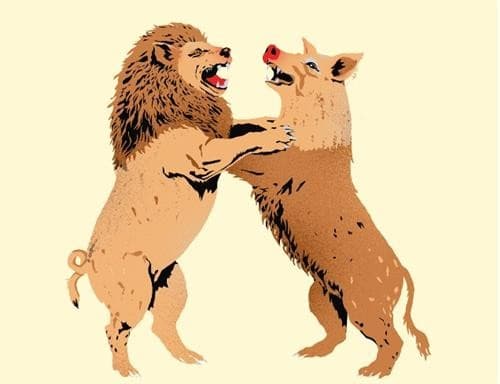
Saturday (in 18 days)
December 12 at 12:00 PM
שביל המרץ, גבעת הרצל, תל אביב-יפו
Cost
45 ₪
Summary
A lecture on amulets, art, sacred literature, and magic, on Saturday, 12.12, at 12:00, at the Culture Cell of Kiryat HaMelakha in Tel Aviv. Includes a tour of the exhibition.
Descriptiontranslated from Hebrew (original)
“Inside the Book: Symbols, Amulets and Places of Prayer”
A lecture on amulets through the lens of art, sacred literature and magic | Dr. Chen Marx
Saturday, 12.12, at 12:00, at תא תרבות Kiryat HaMelacha – 6 HaMeretz Path, ground floor
Following Naomi Giger’s exhibition, “Sorry,” at P8 Gallery
The event includes a lecture at תא תרבות and a guided tour of the exhibition at P8 Gallery.
Can images change and influence reality, rather than merely represent it? We will discuss mechanisms shared by contemporary art, sacred literature and magic. We will examine how books and amulets open a window onto invisible worlds, enabling human beings to try to gain a measure of control over the real world. We will encounter the figure of Lilith and the amulets created to hinder her, and above all trace the journey that images make between one culture and another—how they assume and shed forms, turn from symbols into bodies, and from bodies back into symbols.
The event is held following Naomi Giger’s exhibition and artist’s book, “Sorry,” at P8 Gallery (curator: Avshalom Suleiman). The event will close the exhibition.
About the Lecturer
Chen Marx holds a PhD in Talmudic literature and lectures at Emek Yizrael College and the Academic College of Tel Aviv–Yafo. He is the author of the books Why Bad Things Happen to Good People (Yedioth Books, 2022) and The Dark Side of Beauty and Ugliness (2025). He presents a regular weekly segment on the program Ma Sheכרוך with Mia Sela on Kan Tarbut.
About the Exhibition
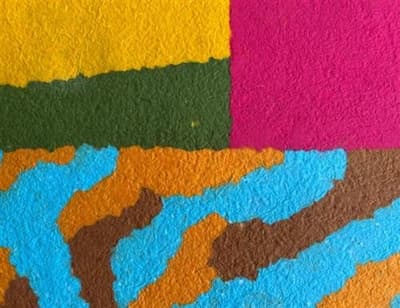
Through an exhibition and an artist’s book, artist Naomi Giger examines complex relationships between symbols, objects, architectural spaces, animals and the human body. Her paintings should be thought about as one thinks in a dream: one thing is also another thing—“a crown becomes a limb, a goblet a body, a house a body-house”; pomegranates are also skulls, and a gate is a womb.
Giger works directly into the computer, allowing her to melt and blend the figures she creates through a digital process of back-and-forth movement, substitution and transformation. The metamorphosis takes place through the disruption of the contours separating object from body, living from plant, animal from human, and both from the sublime.
Add to calendar
Share this event:
Similar events
Loading similar events...